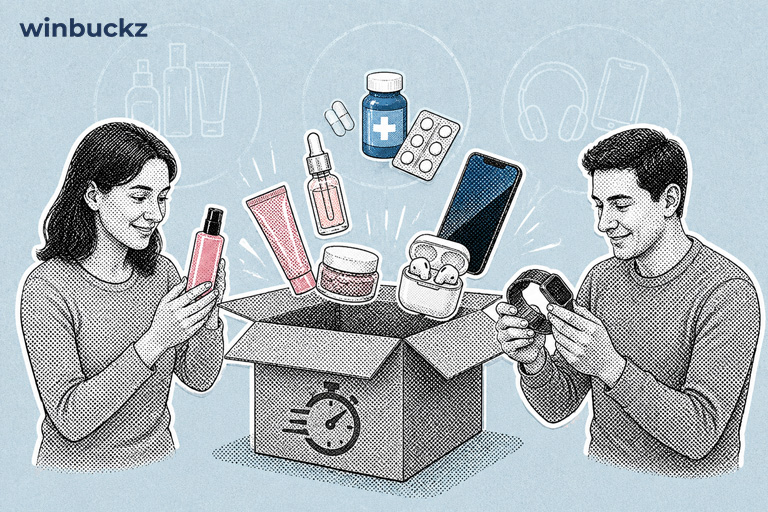
The global quick commerce market was valued at USD 244.7 billion in 2025 and is projected to grow to USD 297.5 billion in 2026. It is expected to reach USD 1,303.5 billion by 2033 at a CAGR of 23.5%. The engine behind that growth is no longer just milk and vegetables. It is beauty, pharmaceuticals, and electronics. The shift is accelerating faster than most people realize.
For a broader view of how far this market is expected to grow, the Grand View Research Quick Commerce Market Report is one of the most detailed publicly available analyses on where the category is heading globally.
Why groceries were just the starting point
Groceries got quick commerce platforms through the door. They built the habit, trained consumers to expect speed, and created the dark-store infrastructure that powers a different kind of shopping behavior.
Non-grocery categories are growing at 1.6x the rate of grocery on quick commerce platforms. Fashion is up 340%, mobiles 245%, and beauty and personal care 140%, showing quick commerce is no longer a grocery-only channel.
Beauty: the category that made the leap first
Of all the new frontiers for quick commerce, beauty has been the most natural fit. The gap between running out of a product and replenishing has nearly disappeared, reshaping consumer psychology and the entire category.
Quick commerce platforms are now partnering with premium beauty brands like L’Oreal, who view them as high-engagement channels for impulse and replenishment purchases.
For shoppers comfortable browsing fashion and beauty deals, platforms like Boohoo sit at an interesting intersection. Watching for Boohoo online shopping coupons before checkout is practical, especially since the brand regularly runs promotions that lower the cost of trend-led purchases. With Boohoo offers available across categories, the gap between wanting something and affording it also shrinks.
Pharma: the category that changes everything
Over-the-counter medicines, vitamins, and basic health supplies are the entry point. Several EU countries now permit licensed pharmacists to operate in dark stores to deliver OTC medicines, signaling a regulatory shift that opens the door to broader pharmaceutical quick-commerce trends.
Electronics: the highest-value frontier
Electronics is where quick-commerce trends become genuinely interesting from a commercial perspective. It is also where the same-day delivery promise carries the most emotional weight. A dead laptop charger before a presentation. Earphones that stop working on the way to a flight. These are not planned purchases. They are urgent ones.
In 2026, quick commerce platforms are focusing on pushing higher-margin categories such as electronics accessories, improving store efficiency and optimizing delivery routes to make these categories commercially viable at speed.
This is where platforms like eBay remain highly relevant. Checking eBay’s online marketplace deals before buying electronics is a habit worth building, as the platform consistently surfaces competitive pricing on both new and certified refurbished items.
Zalando and the fashion-speed equation
Fashion and quick commerce might seem like an unlikely pairing, but the logic holds. Last-minute events, outfits that do not arrive in time, gifts that need to be somewhere tonight. These are real scenarios in which same-day delivery was made.
Zalando’s infrastructure positions it well for consumers who expect speed and selection. Browsing before a purchase is smart for shoppers who want access to a wide range of fashion without paying full price. Zalando online shopping offers during seasonal windows can deliver significant savings on items that sell out quickly when demand spikes.
The infrastructure making it all possible
Dark stores, micro-fulfillment centers, and hyperlocal logistics are expanding rapidly and helping quick-commerce platforms grow worldwide. Better route planning, AI-powered demand forecasting, and real-time inventory tracking are making operations more efficient across the board.
The most successful quick-commerce companies will be those that can predict demand by the hour rather than the week. They will spot demand spikes early, restock dark stores efficiently, and avoid running out of products.
The bottom line
Quick commerce platforms started with groceries because groceries built the habit. But the real opportunity was always in the categories that carry higher margins, higher urgency, and higher emotional stakes. Beauty, pharma, and electronics are not additions to the quick commerce story. They are the next chapter of it.
For shoppers, the shift means more choice, faster fulfillment, and, with the right coupons and offers at hand, better value too.
Frequently asked questions
Quick commerce platforms are digital retail services that deliver products within ten to thirty minutes using dark stores and hyperlocal logistics. Initially focused on groceries, they now include beauty, pharmaceuticals, electronics, and fashion.
In 2026, quick commerce platforms are expanding beyond everyday essentials into high-margin categories. Non-grocery segments are growing at 1.6 times the rate of grocery, changing consumer shopping habits and inventory planning.
Yes. Same-day delivery for beauty and electronics is now widely available on major quick-commerce platforms in urban areas. Expanded dark stores and AI-driven logistics have made this service commercially viable across more categories.
eBay online marketplace deals provide shoppers with competitive pricing across millions of electronics listings. The platform consistently offers strong value, especially for accessories and devices.
Boohoo online shopping coupons can significantly reduce the cost of trend-led fashion items. Regularly checking for offers before checkout is a practical habit for frequent shoppers.