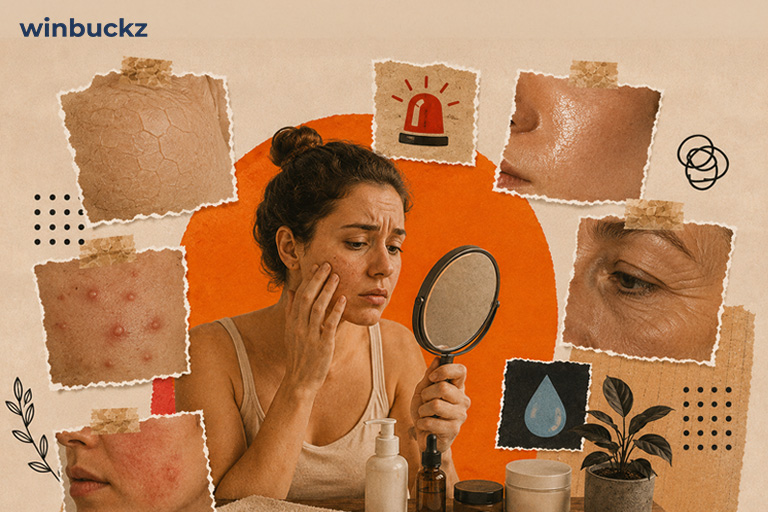
When you’re under pressure, cortisol floods your system, triggering inflammation, disrupting oil production, and breaking down your skin’s natural protective layer. The result is a complexion that’s sensitive, reactive, and visibly exhausted. The stress skin connection is deeply biological, and understanding it is the first step to actually fixing it.
What Stress Actually Does to Your Complexion?
Excessive oil production from sebaceous glands resulting from cortisol causes acne when it’s not needed, especially if you don’t otherwise suffer from acne. Moreover, it breaks down collagen and the skin barrier, as well as the lipids that protect your skin against dryness and irritants.
A disrupted barrier leads to flaking, tight, hypersensitive skin that reacts badly to ingredients it once tolerated. This is the case with stressed skin, and doing anything drastic, like applying activities or over-washing, will only make things worse.
Simplify First, Restore Second
The best approach to caring for stressed skin is through simplification. Retinoids, acids, and the layering of active ingredients need to take a break to give your skin barrier some breathing space. Cleanser, moisturizer, and sunscreen will suffice for now.
This is when a considered, soothing skincare for stressed skin becomes critical. Primor Skincare subscribes to this approach, developing products that soothe with active ingredients such as panthenol, allantoin, and bisabolol, while avoiding further irritation. This stripped-down approach to skincare works wonderfully for those dealing with a fragile or damaged complexion.
Repairing the Barrier Is Non-Negotiable
Skin barrier repair is the first step in improving your stressed skin. As the skin barrier is composed of ceramides, fatty acids, and cholesterol, anything, including pollutants and your skincare products, can irritate the skin once the barrier has been damaged by stress. The best way to repair your skin barrier is to introduce more ceramides, fatty acids, and cholesterol.
The key ingredients to focus on when repairing your skin include ceramides, niacinamide, hyaluronic acid, and centella asiatica.
Cult Beauty skincare has long been a trusted source for exactly this kind of product. Their curated edit of barrier repair products brings together some of the most effective ceramide-rich moisturizers and recovery serums available, and for anyone building a cult beauty-sensitive skin routine from scratch, their guided selections take the guesswork out of what’s actually worth investing in.
Their wider range of cult beauty calming skincare covers everything from lightweight soothing essences to overnight repair masks, a strong category to explore when skin is in recovery mode.
Don’t Forget the Prep Step
An often-overlooked part of managing stressed skin is how you prepare your complexion before makeup. Stressed skin that isn’t properly prepped tends to look worse under foundation – drier, more uneven, more reactive. Getting the skin into an optimal state before any coverage goes on visibly transforms the result.
The Lifestyle Layer
You cannot wear anything or apply anything that will outmatch your ability to live in a way that keeps your cortisol loop system functional. Your skin repairs itself while you sleep: regeneration occurs, inflammation subsides, and barrier repair begins.
Just one or two additional hours of sleep might reflect on your skin. Drinking enough water, eating foods high in omega-3 fatty acids such as salmon & nuts, and limiting high-glycemic foods when under stress will help your skin from within.
Recovery Takes Time: Give It That!
The key to treating stressed skin is recognizing that the restoration process takes time. Repairing skin barriers usually coincides with one complete cycle of skin renewal, which can take up to 28 days, after which the results of the re-established skincare regimen should be visible.
It is extremely important to develop an effective skincare routine that works for you and to buy only from credible brands that offer the right formulas, such as Primor, Cult Beauty, and MAC, without adding unnecessary products to your routine.
FAQs
Most skin changes caused by stress are temporary, but as the skin ages, stress factors can cause changes that accumulate over time and accelerate the aging process.
Typically, when skin becomes dehydrated, it’s a quick fix to simply use a moisturizer. When skin is stressed, it’s sensitive on many levels, breaking out, flushing, or stinging from products it is used to.
Yes, temporarily. Too stimulating for a compromised barrier: retinoids and strong acids. Reintroduce slowly, at a reduced concentration and frequency, after the skin is stabilized.
Fragrance, alcohol (high concentration), abrading or harsh preservatives can sensitize skin. Use minimum-ingredient fragrance-free products.
The improvement is normally noticed after 2 to 4 weeks when the routine is maintained consistently. Recovery takes about 28 days, which is the duration of a skin cell cycle.