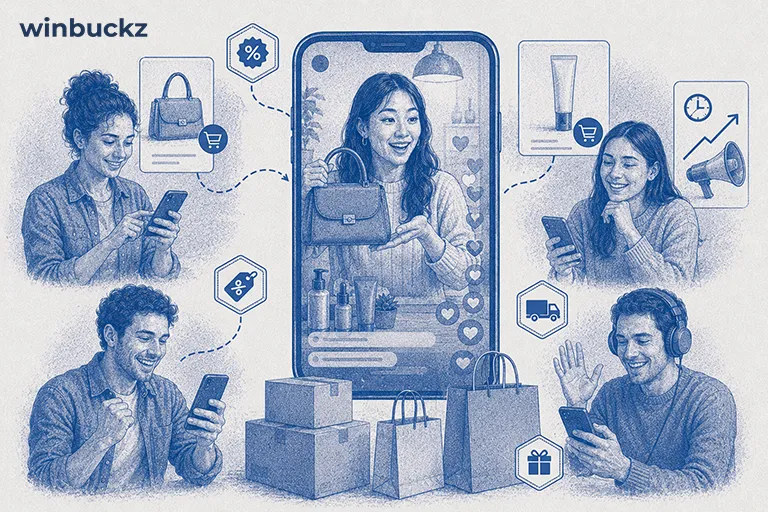
The tab gets closed, another website grabs your attention, or you simply decide to think about it later. Hours, days, or even weeks pass, and the item remains untouched in your basket.
The frequency of this trend has become so great that it now even has a name of its own: cart abandonment. This is one of the most significant problems e-commerce faces today and an intriguing indicator of consumer behavior. While consumers perceive it as a mere delay in their shopping process, brands see it as a pivotal point in the conversion process.
So what exactly happens between “Add to Cart” and “Place Order”?
Why Adding to Cart Doesn’t Always Mean Buying?
Online shopping has changed the way people make purchasing decisions. Unlike physical stores, where placing an item in a basket often signals strong buying intent, digital carts have become much more flexible.
They are used by many people to create wish lists, research folders, and storage for items to be bought later. Hence, abandoned shopping carts have become common in the modern online shopping environment.
The phenomenon is a product of changing online purchasing habits. Nowadays, there is no shortage of options for comparing prices, reading reviews, visiting recommended pages on social media, and finding alternatives before making a purchase decision.
For retailers, this means that earning a customer’s attention is no longer enough. They also need to maintain that attention throughout checkout.
The Hidden Reasons Behind Cart Abandonment
Many people assume that shoppers abandon carts because they no longer want the product. In reality, the reasons are often far more complex.
Unforeseen expenses are among the main reasons behind ecommerce shopping cart abandonment. The price of a product might look quite reasonable before customers realize there will be shipping charges, taxes, or other fees at the end of the purchase journey. All of a sudden, the item doesn’t look that desirable anymore.
Client confidence is yet another variable. The harder it becomes for the client to navigate the website, select a payment method, and understand the return policy, the greater the risk of client abandonment.
The third reason is related to all those real-life distractions – a text message comes in, a meeting begins, and there is no time left to focus on the online purchase.
It is now apparent why such factors play a significant role in calculating a retailer’s shopping cart abandonment rate.
Why Checkout Design Matters More Than Ever?
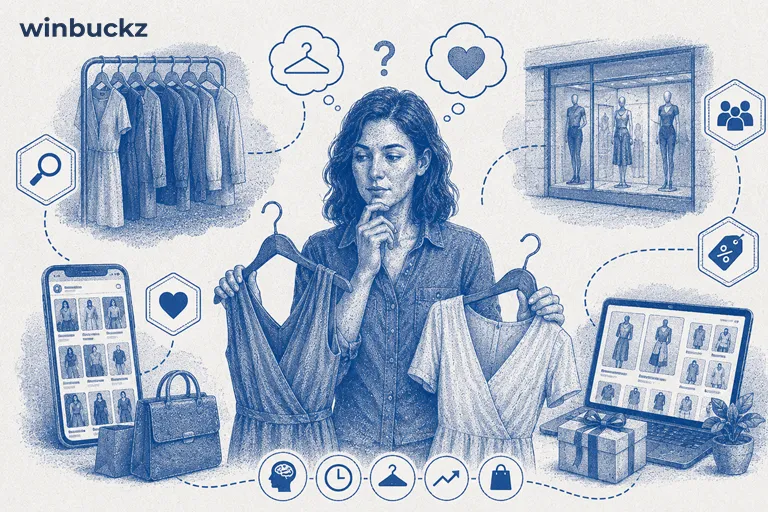
A smooth checkout experience can make the difference between a completed purchase and a lost customer.
This is one reason discussions around Amazon cart abandonment often focus on convenience. And its checkout experience is designed to minimize friction by allowing saved payment methods and stored addresses, as well as streamlined purchasing options. Also, Amazon discounts are reliable when shopping for essentials.
The experience is quick and similar, thereby eliminating any hesitation on the consumer’s part. They do not have to repeatedly enter data into the system.
Retailers across the industry are studying similar approaches as part of their ecommerce conversion optimization efforts. Every extra form field, slow-loading page, or confusing instruction increases the risk that a shopper will abandon the process before completing their order.
The goal is simple: make buying feel effortless.
Why Fashion Shoppers Often Change Their Minds?
Fashion retailers face a unique challenge because purchases are often driven by emotion rather than necessity.
Customers shopping for clothing are not only considering price. They are also wondering whether the item will fit properly, match their wardrobe, or look the same in real life as it does online.
This uncertainty contributes to conversations around ASOS cart abandonment. Fashion shoppers frequently add multiple products to their baskets as they compare styles, colors, and sizes. The ASOS checkout process may be designed for simplicity, but it cannot eliminate the natural hesitation that comes with fashion purchases.
In many cases, browsing itself becomes part of the entertainment. Shoppers enjoy exploring new arrivals and trends even when they have no immediate intention of making a purchase.
How Brands Try to Win You Back?
For retailers, an abandoned cart is not necessarily the end of the customer journey.
Many brands invest heavily in shopping cart recovery strategies that encourage shoppers to return and complete their purchases. These efforts often include reminder emails, personalized recommendations, limited-time discounts, and notifications about products left behind.
The idea is to reconnect with customers while their interest is still fresh.
Zalando has been quite successful in executing this strategy. Debates over abandoned carts at Zalando revolve around the ability to communicate with consumers in a personalized way, using appropriate product recommendations. This emphasis on Zalando’s personalization strategy can be seen as part of a wider trend in the retail industry to personalize consumer experiences using data.
Instead of treating every shopper the same, brands increasingly tailor their recovery efforts based on browsing history, preferences, and previous interactions.
The Story Behind Every Unfinished Purchase
The challenge of cart abandonment is not simply about recovering lost sales. It is about understanding why people hesitate.
Every abandoned cart represents a different decision-making process. Sometimes it is about price, sometimes about timing, and sometimes simply about modern life being full of distractions.
In the era of rapidly advancing technology and the rising complexity of e-commerce, companies will continue refining their checkout procedures and recovery strategies to reduce pain points. That said, though, when shopping online, there will always be some discrepancy between what one wants and what one buys.
After all, adding to a shopping cart is fairly easy. The actual purchase happens in the decision-making process.
FAQs
Lower abandonment rates typically mean a smoother, more effective checkout experience, though rates can vary by industry.
Common reasons include unexpected costs, complicated forms, payment concerns, and simple distractions.
Reminder emails, retargeting, personalized offers, and discounts are tactics many brands use to get customers to come back.
Yes. Free or clearly communicated shipping costs often help improve checkout completion rates.
Not necessarily. Many shoppers return later to complete their purchases after comparing options or taking time to decide.