Today, shopping looks very different.
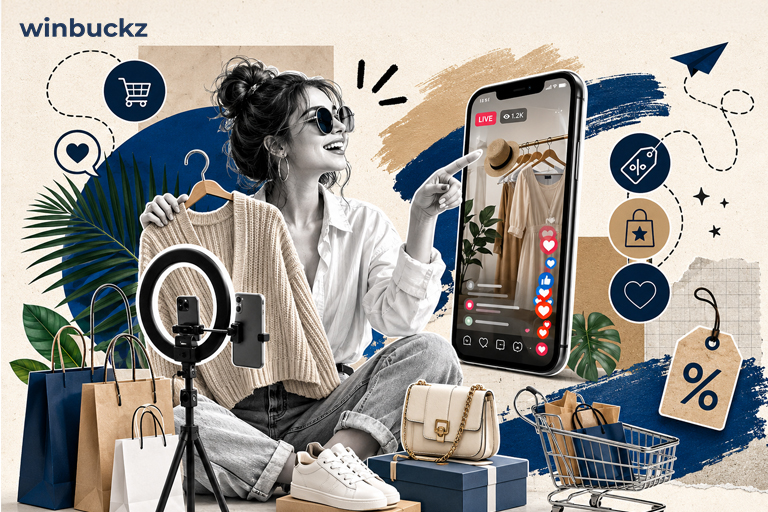
Thousands of people now tune in to livestreams where hosts demonstrate products in real time, answer viewers’ questions, offer exclusive discounts, and create a sense of urgency that traditional e-commerce simply cannot replicate. What began as a niche trend has quickly evolved into a global phenomenon, turning live shopping into one of the fastest-growing segments of online retail.
For consumers, the appeal is obvious. This shopping combines entertainment with instant purchasing, making online shopping feel more interactive and personal. However, not every livestream deal is as good as it appears. Knowing how to identify genuine savings can make the difference between securing a bargain and making an impulse purchase you later regret.
Why Live Shopping Has Become So Popular?
Online live shopping is an emerging trend that speaks to the changing relationship between consumers and brands. Today, people are no longer content with buying a good or service – they are interested in creating a memorable experience.
In addition to viewing images, the audience can also watch demonstration videos, communicate with sellers, and purchase products. Generally speaking, online streaming has made people feel as if they are actually taking part in these activities live.
That explains why we observe the growing popularity of livestream shopping today. Many types of businesses have jumped on the bandwagon, as it has proven effective both as a marketing tool and as an easy way to earn money.
For shoppers, the experience feels more authentic because products are showcased in real time rather than through carefully edited marketing images.
Not Every Livestream Deal Is Actually a Deal
One reason live shopping platforms have become so successful is their ability to create urgency.
Time-sensitive offers, such as limited-time offers, countdowns, exclusive packages, and flash deals, inspire action. Although these strategies might lead consumers to save money through the offer, they may also prompt them to buy products without analyzing whether they are necessary.
Sharp buyers always prepare themselves while participating in transactions during live videos. They not only concentrate on the offered discount but also ensure they find out the prices quoted by other merchants.
The hype created by livestream selling could lead consumers to regard small reductions as amazing. Comparing prices can help differentiate offers from marketing ploys.
Beauty Brands Are Turning Livestreams Into Digital Events
Few industries have embraced this shopping as enthusiastically as the beauty industry.
Live streams have become popular among major retailers to promote new product launches, share beauty and makeup tips, and offer professional advice. Live-stream shopping allows buyers to watch how products are used, which gives them confidence when making purchase decisions.
This is evidenced by Sephora’s live shopping success. Instead of just showing products on the website, livestreaming enables beauty experts to respond to inquiries, break down product ingredients, and even showcase techniques as viewers watch.
This method is especially useful during major sales seasons, as consumers look for Sephora beauty product discounts or participate in Sephora sales. Customers tend to feel more assured when they see products in use than when they read about them.
The result is a shopping experience that feels both educational and transactional.
Fashion Livestreams Are Changing How People Shop for Clothes
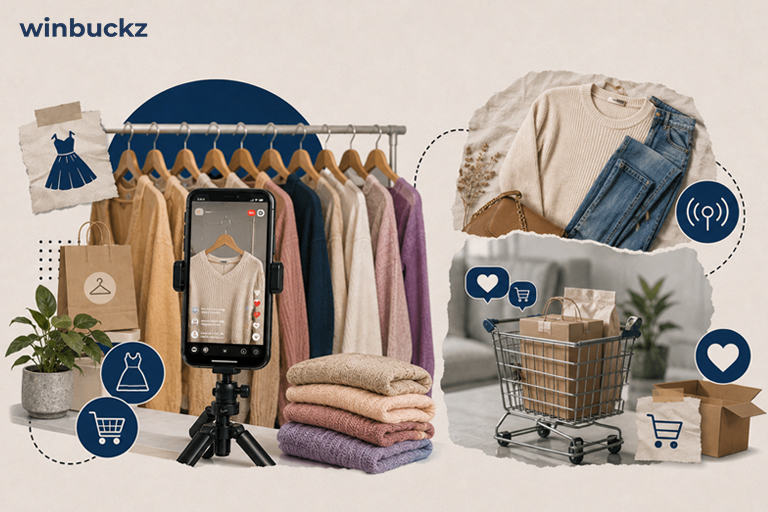
Fashion retailers face a unique challenge online: customers cannot physically try products before purchasing. Livestreams help bridge that gap.
By showing clothing on different body types, demonstrating styling options, and answering fit-related questions in real time, fashion brands can create a more engaging and informative shopping experience.
This is one of the reasons ASOS livestream sale events attract so much interest from those who follow fashion trends. Rather than browsing product pages online, consumers can see how the clothes would look on models and compare different outfits.
Another important factor for many consumers watching the livestream is that there are deals on ASOS clothes that are not available elsewhere. In tandem with the rising popularity of ASOS fashion livestream events, this helps make an average sale event special and exciting.
For younger consumers in particular, the combination of entertainment and shopping feels far more engaging than traditional ecommerce.
How to Spot the Best Livestream Bargains?
Finding great deals during these shopping events often comes down to preparation.
A skilled shopper always knows what they want even before the live broadcast. They make a list, watch the product prices, and set a budget to prevent themselves from buying on impulse.
Checking out the products ahead of time could help shoppers know when discounts are worthwhile. For instance, a product sold at 40% off is not worth much if it is discounted similarly throughout the year.
It is also worth paying attention to bundle offers. Some livestream sales offer added value through product bundles, free gifts, or exclusive extras unavailable through standard online listings.
The most successful shoppers treat livestream sales as opportunities rather than obligations. They remain patient, compare options, and focus on the products they genuinely want rather than being influenced solely by urgency.
The Future of Shopping May Be More Interactive
The growth of online live shopping suggests that consumers increasingly want shopping experiences that feel dynamic, social, and engaging.
Livestreams combine the convenience of ecommerce with the energy of live events, creating a format that appeals to both brands and consumers. Whether someone is exploring a new skincare routine, seeking fashion inspiration, or searching for limited-time discounts, live shopping offers a more immersive alternative to traditional online retail.
As technology continues to evolve, livestream sales are likely to become even more sophisticated, offering greater personalization, improved interaction, and deeper connections between brands and audiences.
For shoppers, that means more opportunities to discover products, ask questions, and uncover genuine deals, provided they know how to separate excitement from value.
FAQs
Most platforms require users to create an account before making purchases, although viewing livestreams is often available without registration.
In many cases, no. Brands often limit special pricing to the duration of the livestream to encourage immediate purchases.
Yes. Popular products can sell out quickly, especially when limited stock is combined with exclusive discounts.
No. Electronics, home goods, fitness equipment, food products, and travel services have also embraced livestream shopping formats.
Creating a budget, researching products beforehand, and focusing on planned purchases can help prevent unnecessary spending during live events.