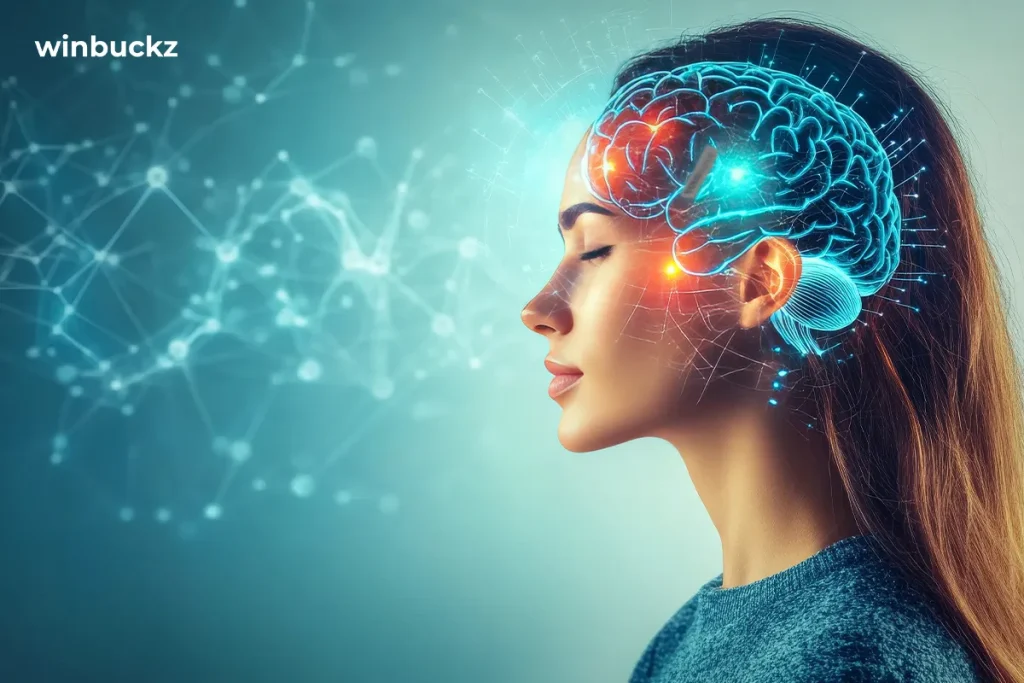
The buzzword of the year is Neurowellness.
Instead of just focusing on how many calories we burn, we’re finally looking at how our brain and nervous system actually function. The best part? The most effective neurowellness habits for beginners don’t cost a dime. Here is how to optimize your health this year without checking your bank balance first.
1. Mastering the “Nervous System Reset”
In the past, we called it “stress management.” In 2026, we call it nervous system regulation. Most of us spend our days in a “High-Alert” state (sympathetic mode), which leads to burnout and brain fog.
- The Hack: The “Physiological Sigh.” It’s a specific breathing pattern, two quick inhales through the nose followed by a long, slow exhale through the mouth.
- The Why: This isn’t just “mindfulness”; it’s biology. This specific breath pattern pops the small air sacs in your lungs, offloading CO2 and telling your brain to calm down in real-time.
- Cost: $0.00.
2. Circadian Lighting (The Free Biohack)
Biohacking sounds like something involving expensive chips under your skin, but in 2026, it’s mostly about light. Your “Master Clock” is controlled by the light entering your eyes.
- The Vibe: Get outside for 5–10 minutes within an hour of waking up. Even if it’s cloudy.
- The Science: Early morning sunlight triggers a timed release of cortisol (for energy) and sets a timer for melatonin (for sleep) 16 hours later. It’s the single most effective way to fix a broken sleep schedule.
- The “Bougie” Version: If you have a few dollars, swap your bedroom bulbs for warm, amber-toned lights for the evening. Your brain will thank you for the lack of “Blue Light” drama.
3. Gut Health: Fermentation over Pharmacy
The 2026 health trends have confirmed it: your gut is your “second brain.” But you don’t need a $60 bottle of probiotics to fix it.
- The Reality: Many store-bought probiotics don’t survive the trip through your stomach acid.
- The Budget Win: Traditional fermented foods like Sauerkraut, Kimchi, or plain Greek yogurt are packed with diverse bacterial strains.
- Expert Tip: Look for the words “Live and Active Cultures.” Eating one tablespoon of fermented veggies daily is often more effective—and significantly cheaper—than a processed pill.
4. Movement as “Mental Fitness”
We’re officially retiring the phrase “working out to lose weight.” In 2026, we exercise for Mental Fitness.
- The Shift: Instead of a punishing hour on a treadmill, the trend is “Micro-Movements.”
- The Routine: Set a timer for every 90 minutes of work. Do 2 minutes of something, squats, stretching, or even a quick dance.
- The Goal: This prevents the “afternoon slump” by keeping your blood glucose stable and your lymphatic system moving. It’s about energy management, not just calorie counting.
5. The “Digital Sunset”
If you’re still scrolling through TikTok at 11:30 PM, your brain thinks the sun is still out. This is the biggest enemy of neurowellness.
- The Habit: Implement a “Digital Sunset” one hour before bed. Put the phone in another room and pick up a physical book or a journal.
- The Result: This reduces “cognitive load.” Your brain needs time to “defrag” before sleep, much like a computer. If you give it that hour, you’ll wake up without that “weighted-down” feeling in your head.
How to Stay Health-savvy in 2026?
To really nail your wellness goals this year, you have to be a bit of a skeptic. Here’s the expert “ground rules” for navigating the 2026 health landscape:
- Ignore “Aesthetic” Health: Just because a supplement bottle looks pretty on Instagram doesn’t mean it works. Look for third-party testing labels like USP or NSF.
- Hydration is a Foundation, Not a Trend: Before you buy a “brain-boosting” drink, try drinking 500ml of water with a pinch of sea salt in the morning. Dehydration is often mistaken for fatigue or hunger.
- Community over Apps: While health apps are great, “Social Wellness” is a massive trend for 2026. Joining a local walking group or a community garden provides a “belonging” hit that an app simply can’t replicate.
Final Thoughts
The most sophisticated machine you will ever own is your body, and it doesn’t come with a subscription fee. By focusing on neurowellness habits for beginners, like light exposure, breathwork, and real food, you’re doing more for your long-term health than any luxury retreat could offer.
Start small. Pick one habit this week. Your brain (and your wallet) will be much happier for it.