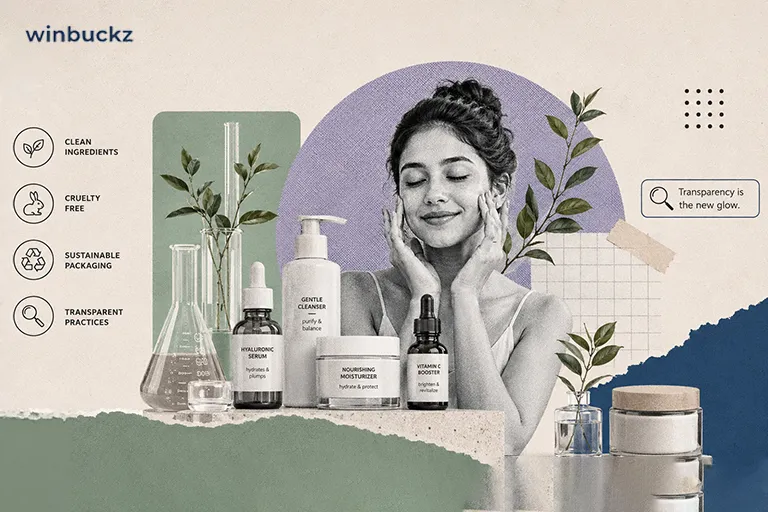
The consumer is no longer making purchases based solely on package design or celebrity endorsements. Rather, people have begun to turn their bottles upside down, read their ingredients, investigate their formulas, and question exactly what is in the products that they buy.
That growing curiosity has fuelled the rise of clean beauty brands. Rather than focusing purely on promises of flawless skin, these brands are building trust through transparency. Consumers want to know why ingredients are included, how products are formulated, and whether brands are willing to be open about the science behind their skincare.
It has led to a situation where transparency around ingredients is no longer just a discussion among a select few cosmetics fans. It has now emerged as one of the biggest driving factors of the contemporary cosmetic industry.
Why Ingredient Transparency Matters More Than Ever
The new generation of beauty consumers has developed the habit of being thorough with their label reading, along with surfing through the beauty deals.
Parabens, sulfates, fragrance mixes, essential oils, and preservatives have become commonplace terms for the average person. It is not that all ingredients used are bad; consumers simply want to know why certain ingredients are used in the products.
This shift has encouraged many clean skincare brands to place transparency at the center of their messaging.
Rather than relying on confusing scientific jargon or hidden proprietary blends, these brands often provide detailed ingredient breakdowns, sourcing information, and explanations of product benefits. The goal is not necessarily to make skincare simpler, but to make it more understandable.
Consumers are becoming active participants in their beauty routines instead of passive buyers.
The Evolution of Clean Beauty Products
The early days of clean beauty products often focused heavily on what formulas excluded. Brands highlighted products that were free from certain ingredients, sometimes without explaining what replaced them.
Today, the conversation is more balanced.
Consumers want products that perform well while also aligning with their personal preferences and values. They are looking for science-backed formulations, thoughtfully selected ingredients, and greater honesty from brands.
This evolution has helped elevate many natural beauty brands beyond niche wellness markets. Modern clean beauty is less about fear-based marketing and more about informed decision-making.
The emphasis is increasingly on transparency, efficacy, and consumer education rather than simply listing excluded ingredients.
Also Read: K-Beauty vs Western Skincare: The Real Difference Behind the Hype
How Are Retailers Making Clean Beauty More Accessible?
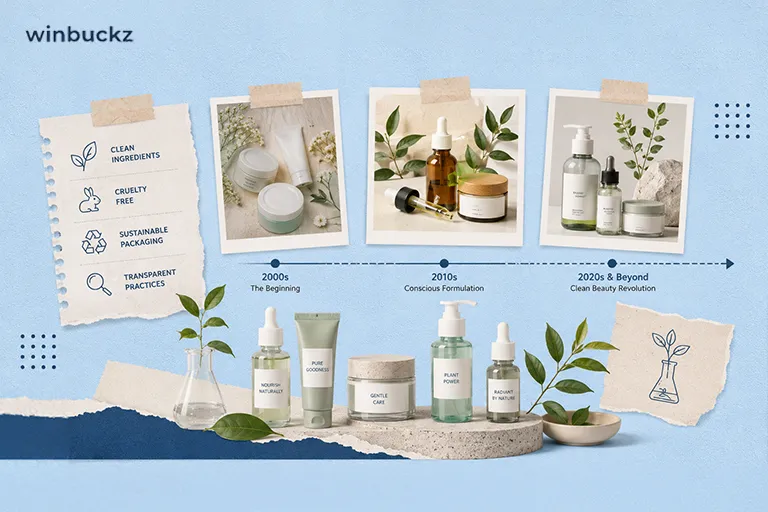
One of the biggest reasons ingredient-focused skincare has become mainstream is because major beauty retailers have embraced the movement.
For example, shoppers exploring Sephora skincare deals and products now have access to extensive ingredient information, product education, and curated collections that make it easier to compare formulations.
Consequently, Sephora’s trend towards cruelty-free makeup products also reflects consumers’ growing preference for products that meet ethical standards and perform excellently.
Retailers have recognized that transparency itself has become a purchasing factor.
Instead of simply selling products, many beauty platforms now serve as educational resources, helping shoppers better understand ingredients and skincare categories before making a purchase.
The Rise of Thoughtful Formulations
With increased awareness, consumers are seeking non-toxic beauty products that offer gentler formulations while remaining effective.
This does not imply that one should completely avoid synthetic ingredients, but it shows that people want products formulated, explained, and developed appropriately.
Many ingredient-conscious consumers are also exploring organic skincare products that emphasize naturally derived ingredients and environmentally conscious sourcing.
What makes the current clean beauty movement different from previous wellness trends is its focus on balance. Consumers are increasingly looking for products that combine scientific research with ingredient transparency instead of choosing one approach over the other.
Why Cult Beauty Has Become Part of the Conversation?
Beauty e-commerce sites have been instrumental in helping consumers discover new skincare products.
Cult Beauty is seeing growing interest in clean beauty products as consumers look for curated collections that make discovery easier. Instead of searching through thousands of products individually, consumers prefer to have access to platforms that feature skincare products formulated with ingredients in mind.
The popularity of the skincare products offered by Cult Beauty also reflects the trend of consumers seeking transparency alongside effectiveness.
The clean beauty movement is no longer driven solely by niche brands. It has become a major part of mainstream beauty retail.
Europe’s Growing Influence on Clean Beauty
European retailers are also helping shape the future of ingredient-conscious skincare.
Questions about Douglas clean beauty products show how openness within the beauty industry has become a critical part of the international marketplace. People want full disclosure about ingredients, origins, and the impact on their skin.
On the other hand, interest in Douglas Fenty Skin represents the emerging trend towards products that merge innovative formulas with clarity about ingredients and their functions.
The more that customer requirements change, the greater is the chance that educational efforts in the beauty realm will receive more attention.
The Future of Clean Beauty Brands
The future of clean beauty brands is unlikely to be defined by a single ingredient list or certification. Instead, it will be shaped by trust.
Consumers increasingly want brands to explain what is inside products, why those ingredients were chosen, and how formulations are developed. They are looking for honesty rather than perfection.
It is creating a revolution where purchasing cosmetics and skincare products becomes more conscious.
Consumers are now thinking critically about their purchases, reading labels and ingredients more carefully, and developing habits based on their understanding rather than simply following fashion.
And in an industry where trust has become one of the most valuable ingredients, transparency may ultimately be the factor that matters most.
FAQs
Clean beauty brands generally focus on ingredient transparency, responsible formulation practices, and clear communication about what goes into their products.
Many clean beauty products are designed with gentle formulations in mind, but suitability depends on individual skin concerns and ingredient sensitivities.
Natural beauty brands primarily focus on naturally derived ingredients, while clean beauty often emphasizes ingredient transparency and formulation philosophy regardless of whether ingredients are natural or synthetic.
Many consumers seek non-toxic beauty products to gain greater confidence in the ingredients they use daily and to prefer products with clear, transparent formulations.
Look for clean skincare brands that provide detailed ingredient information, explain formulation choices, and communicate openly about product development and testing processes.