One teacher stood at the front of a chalkboard, delivering the exact same lecture to thirty kids. Everyone was expected to learn at the exact same speed.
Spoiler alert: It didn’t work.
If you had access to expensive tutors, you thrived. If you didn’t, you fell behind.
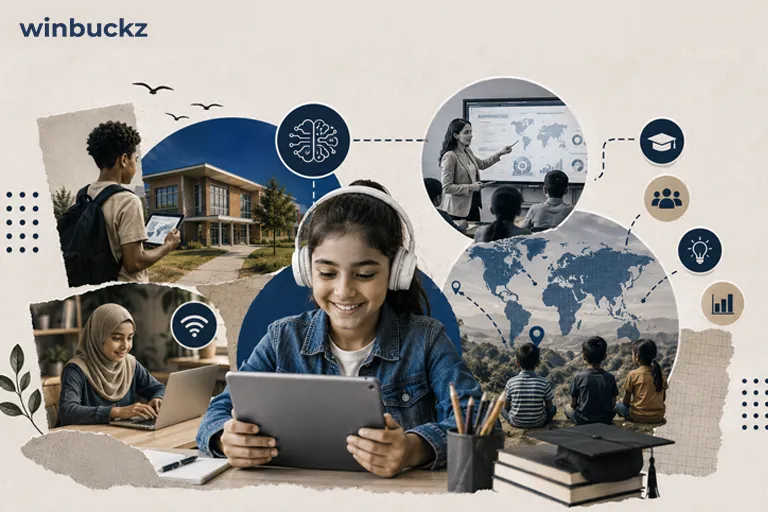
But a quiet shift is happening in education technology. We’re moving past basic PDFs and Zoom calls and heading straight into Education 3.0.
Instead of forcing you to bend to the classroom, this new wave uses smart data and cloud tech to make the classroom bend to you.
The real question is: Can these adaptive ecosystems finally deliver true global learning equity? Or is it just flashy marketing fluff?
Let’s unpack it.
1. Ditching the Factory Model
In a normal school, if you don’t understand a math formula on Tuesday, the teacher still moves on to the next chapter on Wednesday.
Suddenly, you’re lost. You get frustrated. You tune out.
Education 3.0 fixes this by using personalized learning paths.
Modern online learning platforms don’t just host video play buttons. They actually watch how you interact with the screen in real time.
If you hesitate during a quiz or struggle with a reading block, the system notices. It automatically adjusts, serving up a quick visual explainer or a simpler practice round before advancing you.
It ensures a student’s zip code doesn’t dictate their ability to master a skill.
2. Opening Exclusive Doors
The ultimate proof of this shift is happening in high-stakes professional fields.
For decades, landing an elite medical, legal, or corporate job required passing massive entry exams. The catch? The best prep materials were locked behind incredibly expensive, in-person weekend seminars.
Not anymore.
By utilizing modern online learning platforms, anyone with an internet connection can access top-tier diagnostic tools.
For instance, diving into modern Kaplan online learning hubs allows students from totally non-traditional backgrounds to practice with the exact same high-level exam prep modules as everyone else.
- The Takeaway: When elite training tools go digital, professional growth stops being a privilege reserved for the geographically privileged.
The Road Ahead (And the Honest Truth)
Let’s be real: Technology isn’t a magic wand.
If the absolute best online learning platforms remain beyond the reach of many, tech will simply widen the class divide rather than narrow it.
Clean, low-bandwidth interfaces that don’t look great on a low-budget smartphone are not true balance; they’re just a luxury laptop.
When premium online learning platforms pair smart, adaptive logic with accessible pricing, we get closer to a world where your potential, not your bank account, determines your success.
If you’re currently setting up a quiet study corner at home or hunting down the right tech tools for a remote student, check out our favorite deals inside the online learning index. It’s an easy way to grab what you need at an exceptional value, without breaking the budget.
Frequently Asked Questions
In older configurations, it would be just a digital filing cabinet: you would log in, download a file, and read it yourself. New online learning platforms function a lot like private tutors. They communicate with you, make sense of your errors, and customize the structure of the lesson to your speed.
Absolutely. These systems do not need to adhere to a fixed school schedule either, so they allow students to move at their own pace when needed. They can easily increase text size, provide live audio replacement, or describe complex logic in simple, visual terms.
Yes, completely. Employers are interested in your ability to do what they are asking. Any profession or program that requires a significant examination to earn a position or a certificate or diploma of completion means that you have learned about that profession and that you have the skills, whether you attended a library program or learned at home on the couch.
We don’t think so. If tech is used to replace people, it’s not the best use of tech; it’s the best use of people. If software can perform repetitive tasks of grading and standard teaching, then teachers can concentrate their energies on genuine mentoring, encouragement and one-to-one, face-to-face support.