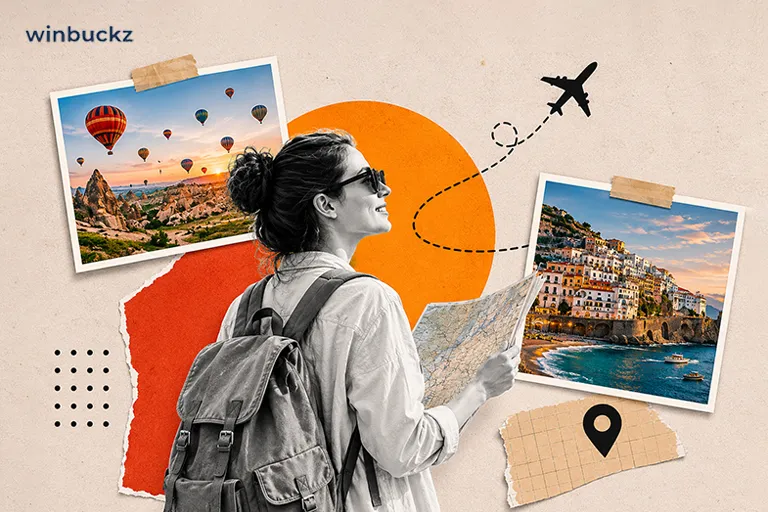
This evolution is reshaping the entire future of modern tourism. Creator culture has emerged as one of the key drivers of today’s Gen Z travel preferences, shaping everything from where they travel to how and why they travel.
The Algorithm Is the New Travel Agent
For previous generations, travel was usually based on information from brochures, television advertising, and travel agents’ advice. The younger generation, however, does things in its own way.
Members of the younger generation discover travel destinations through posts on platforms such as TikTok, Instagram, and YouTube, as well as vlogs. One post can make all the difference, turning an obscure location into a new travel sensation.
That’s why modern Instagram travel trends move incredibly fast.
A location that barely appeared on travel lists last year can suddenly become one of the most searched places online after creators post cinematic content from there. Places like Bali, Tulum, Lisbon, and even smaller countryside towns have exploded in popularity thanks to social media exposure.
For many younger travelers, if a destination is not appearing online, it almost feels invisible.
Why Gen Z Trusts Creators More Than Tourism Ads?
One major reason Gen Z tourism is changing so quickly is the lack of trust.
Traditional travel advertising often feels polished and overly commercial. Influencer content feels more personal, spontaneous, and relatable, even when it is sponsored.
Gen Z travelers want to know:
- where people actually eat,
- how expensive the destination really is,
- what nightlife feels like,
- and whether the experience matches the aesthetic online.
That level of authenticity matters.
Modern travel influencers are no longer simply posting photos of luxury resorts. Many are documenting budget trips, solo travel experiences, digital nomad lifestyles, and hidden destinations that feel less commercialized.
The result is a completely new tourism ecosystem driven by social proof instead of traditional marketing campaigns.
Also Read: Best Road Trips in the USA & UK Holiday Packages for 2026
The Rise of “Aesthetic Tourism”
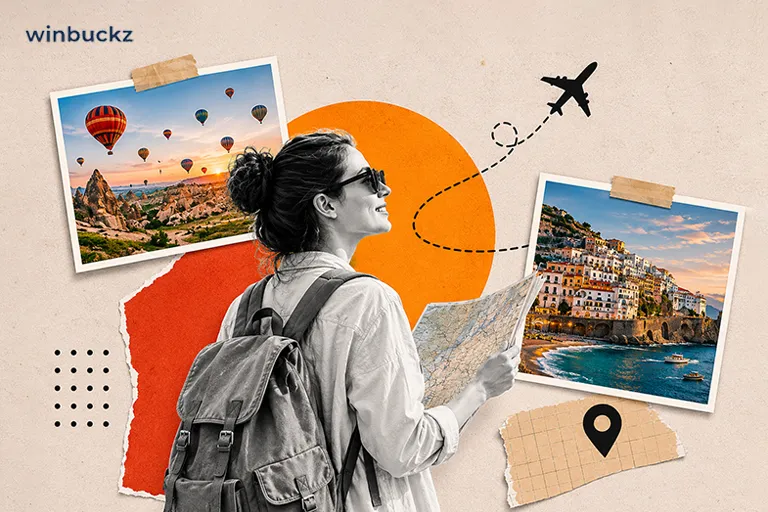
One of the most interesting parts of current Gen Z travel trends is how heavily aesthetics influence destination choices.
People are increasingly choosing destinations based on visual identity.
That means colorful streets, rooftop cafés, scenic train journeys, boutique hotels, beach clubs, and cinematic landscapes all influence tourism decisions today.
That is precisely how travel influencers on Instagram continue to shape global travel trends. Visual-based platforms naturally lead to the creation of destination points not as holiday spots but as lifestyle destinations.
For many travelers, trips are becoming part memory, part content creation, and part personal branding.
And this, Travel Daily Media’s report on Gen Z travelers demanding transparency highlights how younger audiences now value authenticity over polished advertising.
Travel Booking Is Becoming More Spontaneous
Social media does not just influence where Gen Z goes. It also changes how trips are booked.
Modern travelers are much more adaptable and spontaneous than their predecessors. Rather than planning their vacations well in advance as their forefathers did, many opt to plan their holidays based on popular destinations or cheap flights they see online.
Platforms offering Skyscanner cheap flights have become especially popular among younger travelers seeking affordable, flexible travel options. Searches related to Skyscanner deals and flight comparison tools continue to grow because Gen Z often prioritizes low-cost travel and experiential value over rigid itineraries.
There have been cases where an affordable flight can determine the whole trip. Should flights to Tokyo, Lisbon, or Bangkok suddenly become more affordable, social media would be flooded with suggestions and video tips for going there.
Travel Daily Media’s report on Gen Z travelers demanding transparency highlights how younger audiences now value authenticity over polished advertising.
The Rise of Creator-Led Travel Culture
Another reason influencers shape tourism so heavily is that travel has become part of many young people’s personal identity. Trips are no longer just about sightseeing. They are tied to lifestyle, self-expression, creativity, and online storytelling.
This is where modern travel influencer marketing becomes incredibly powerful. Hotels, tourism boards, airlines, and travel companies now work directly with creators because younger audiences connect more emotionally with people than with advertisements.
Watching someone vlog their solo trip through Italy feels more authentic than reading a polished tourism campaign. That emotional connection drives bookings.
Searches for Expedia deals, vacation packages, travel discounts, and hotel bookings are also growing among younger travelers looking for flexible, customizable experiences centered on trending destinations.
At the same time, platforms offering booking.com travel deals and city breaks have become increasingly popular for spontaneous weekend trips inspired by social media.
Why Everyone Wants to Become a Travel Influencer?
The popularity of creator culture has also inspired more young people to become a travel influencer themselves.
Travel is no longer viewed only as a luxury or occasional hobby. For many creators, it has become part of a long-term career ambition.
This has created an entire economy around:
- hotel collaborations,
- tourism sponsorships,
- affiliate partnerships,
- brand deals,
- and destination campaigns.
Many travelers now choose cafés, hotels, and experiences partly based on how visually appealing they will look online. Destinations are no longer competing only on attractions. They are competing on shareability.
The Future of Gen Z Tourism
The future of Gen Z tourism will likely become even more creator-driven over the next few years. Artificial intelligence, personalized algorithms, immersive short-form video, and creator-led communities are already changing how younger travelers discover destinations.
But despite all the technology involved, the reason influencer travel works is actually very simple: people trust experiences that feel real.
A short video showing someone genuinely enjoying a destination often has a greater emotional impact than any expensive advertising campaign could. That is why influencers continue shaping where Gen Z travels next.
They are not simply promoting destinations. They are selling experiences, lifestyles, aesthetics, and emotions people want to imagine themselves living.
And in the era of social media, that emotional connection has become one of the most powerful forces driving global travel.
FAQs
Why are influencers important in Gen Z travel trends?
Influencers have a significant impact on Gen Z travel trends, as younger people tend to relate more to content than to advertisements. Social media creators provide their audience with insights about destinations, secrets, cost-effective travel opportunities, and recommendations.
How do Instagram travel trends influence tourism?
The Instagram travel trend can turn destinations into sensations in no time. Web influencers promote destinations, increasing their popularity at places such as scenic cafés, beaches, boutique hotels, and other aesthetic locations.
Why are travel influencers on Instagram so popular?
Instagram travel influencers mix stories, photos, and personal experiences to create relatable, aspirational content. They are filled with content that helps the viewer visualize themselves in the same location.
How do Gen Z travelers find cheap trips online?
Many younger travelers use tools like Skyscanner and other flight comparison platforms to find affordable, flexible travel options.
Are booking platforms adapting to influencer-driven tourism?
Yes. Platforms offering Expedia vacation packages, hotel booking, travel deals, and city breaks are increasingly focusing on flexible travel experiences that align with social media-driven travel behavior.